The Top 5 Industries That Benefit Most from Commercial Solar Canopies
Commercial solar canopies provide renewable energy solutions for various industries, significantly reducing operational costs and carbon footprints. These structures not only generate electricity but also offer shade and protection for vehicles and equipment. This article will explore the top five industries that benefit most from implementing solar canopies, highlighting their advantages and the impact on sustainability efforts.
Key takeaways
- Commercial solar canopies enhance sustainability and energy efficiency for various industries.
- Retailers can save up to 50% on electricity bills with solar canopies.
- Government incentives support solar energy adoption for businesses.
- Manufacturers can reduce operational costs by generating on-site renewable energy.
- Education institutions benefit from reduced energy costs and enhanced sustainability efforts.
- Healthcare facilities improve energy efficiency and resilience through solar energy generation.
- Assessing campus layouts helps identify optimal locations for solar canopies.
H2: Introduction to Commercial Solar Canopies
Consider investing in commercial solar canopies to enhance your business’s sustainability and energy efficiency. These structures provide shade while generating renewable energy, making them ideal for various industries. For instance, the automotive sector can utilise canopies to power showrooms and charging stations, reducing reliance on grid electricity.
Solar canopies work by harnessing sunlight through photovoltaic panels mounted on elevated structures. This setup not only protects vehicles and equipment from the elements but also creates a revenue stream through energy savings and potential grid feed-in tariffs. Businesses can also benefit from government incentives aimed at promoting renewable energy adoption.
By choosing a reputable Solar Panel Canopy Supplier, companies can ensure the installation of high-quality systems tailored to their specific needs. This investment not only contributes to environmental sustainability but can also enhance brand reputation and attract eco-conscious customers.
H2: Retail Industry: Enhancing Sustainability and Cost Savings
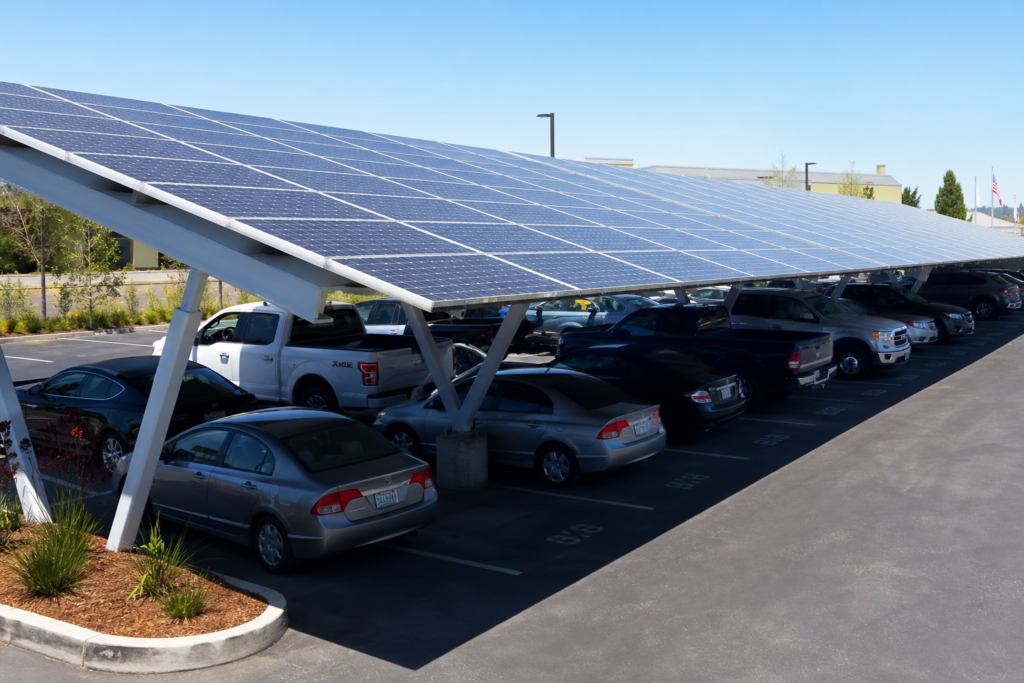
Retailers that adopt commercial solar canopies can achieve energy savings of up to 50% on their electricity bills, significantly enhancing their sustainability profile. By generating renewable energy on-site, these businesses reduce their carbon footprint while also benefiting from government incentives for solar energy adoption. This dual advantage not only lowers operational costs but also appeals to environmentally conscious consumers, boosting brand loyalty and sales.
Alongside direct cost savings, solar canopies provide valuable shade for parking lots, improving the customer experience during hot weather. This comfort can lead to increased foot traffic and longer shopping durations. While other energy solutions, such as rooftop solar panels, can also be effective, they do not offer the same level of versatility and space optimisation as canopies.
For retailers looking to enhance their sustainability efforts and reduce costs, commercial solar canopies present a compelling solution that integrates energy production with customer satisfaction.
H2: Manufacturing Sector: Reducing Operational Costs through Solar Energy
- Reduces operational costs
- Generates renewable energy on-site
- Improves sustainability profile
- Initial investment cost
- Complex installation process
Many manufacturers overlook the potential of commercial solar canopies, assuming they are too costly or complex to implement. However, these structures can significantly reduce operational costs by generating renewable energy on-site. Solar canopies work by converting sunlight into electricity through photovoltaic panels, which can then be used to power machinery, lighting, and other operational needs. This process not only decreases reliance on traditional energy sources but also stabilises energy costs over time.
Manufacturers can benefit from various government incentives aimed at promoting renewable energy adoption. By investing in solar canopies, companies can improve their sustainability profile while also enhancing their public image. The integration of solar canopies can lead to increased property value and potential tax benefits.
The manufacturing sector stands to gain significantly from embracing solar energy solutions. By transitioning from traditional energy sources, businesses can reduce their carbon footprint and achieve long-term financial savings. For a detailed comparison of solar energy vs. traditional energy sources, consider reviewing available resources to guide your choices.
H2: Education Institutions: Leveraging Solar Canopies for Environmental Stewardship
Education institutions can significantly enhance their sustainability efforts by implementing commercial solar canopies. These structures not only provide shade for students and staff but also generate renewable energy, helping schools and universities reduce their energy costs and carbon footprints.
To leverage solar canopies effectively, institutions should first assess their campus layout to identify optimal locations for installation. This involves evaluating available space, sunlight exposure, and existing infrastructure. Engaging with experienced solar providers can streamline this process, ensuring that the canopies are designed to meet specific energy needs while complying with local regulations.
Common mistakes to avoid include underestimating the initial investment required for installation and failing to consider long-term savings. Institutions should conduct a thorough cost-benefit analysis and explore available grants or incentives that can offset installation costs. Neglecting to involve stakeholders in the planning process can lead to misunderstandings and resistance. By prioritising transparency and collaboration, educational institutions can foster support for their solar initiatives.
H2: Healthcare Facilities: Improving Energy Efficiency and Resilience
Healthcare facilities can significantly enhance energy efficiency and resilience by implementing commercial solar canopies. These structures not only provide shade for patients and staff but also generate renewable energy, which can be used to power essential services. By harnessing sunlight through photovoltaic panels, hospitals and clinics can reduce their reliance on grid electricity, leading to substantial cost savings on energy bills.
Solar canopies work by converting sunlight into electricity, which can then be used to power lighting, medical equipment, and HVAC systems. This on-site generation of energy is particularly beneficial for healthcare facilities that operate 24/7, as it ensures a consistent power supply while mitigating the risk of outages. The installation of solar canopies can qualify healthcare facilities for various government incentives, further offsetting initial investment costs.
To maximise the benefits, healthcare facilities should conduct a Free Site Survey to assess their energy needs and identify optimal locations for installation. This proactive approach not only improves energy resilience but also aligns with sustainability goals, enhancing the institution’s reputation in the community.
Frequently Asked Questions
What are the main advantages of commercial solar canopies for businesses?
Commercial solar canopies offer significant advantages for businesses, including reduced energy costs and increased sustainability. They provide shade for vehicles and outdoor spaces while generating clean energy. These structures can enhance property value and attract environmentally conscious customers.
Which industries are leading in the adoption of solar canopies?
Leading industries in the adoption of solar canopies include retail, automotive, and agriculture. Retailers utilise canopies to enhance parking facilities while generating energy. The automotive sector benefits from renewable energy for manufacturing processes. Agriculture leverages solar canopies for both energy production and crop protection, making them highly versatile solutions.
How do solar canopies contribute to cost savings for commercial properties?
Implement solar canopies to reduce energy costs significantly. By generating on-site electricity, these structures lower reliance on grid power and decrease utility bills. They can provide tax incentives and increase property value, further enhancing savings for commercial properties.
What factors should businesses consider when installing solar canopies?
Site suitability is crucial when installing solar canopies. Businesses should assess available space, structural integrity, and local regulations. Consider energy needs, potential savings, and available incentives to maximise benefits from the installation.
Are there specific case studies showcasing successful solar canopy implementations?
In 2022, a retail chain in California installed solar canopies across 30 locations, generating over 2.5 million kWh annually. This reduced energy costs by 30% and enhanced their sustainability profile. Such implementations demonstrate significant financial and environmental benefits for businesses considering solar canopies.