How to Maintain Your Solar Panels for Maximum Efficiency
Maintaining solar panels is essential for ensuring their maximum efficiency and longevity. Regular upkeep helps prevent performance degradation caused by dirt, debris, and environmental factors. This article outlines effective maintenance practices, including cleaning techniques, inspection schedules, and troubleshooting common issues. By following these guidelines, solar panel owners can optimise energy production and extend the lifespan of their systems.
Key takeaways
- Regular cleaning can enhance solar panel efficiency by up to 20%.
- Dust and debris block sunlight, reducing energy production significantly.
- Implement a maintenance schedule every six months for optimal performance.
- Monitor energy output to identify issues like shading or equipment failure.
- Clean panels after heavy rainfall or dust storms to maintain efficiency.
- Use a soft brush and mild soap to avoid damaging the panels.
- Professional inspections can detect potential issues before they escalate.
Understanding Solar Panel Efficiency
Regularly cleaning your solar panels enhances their performance and longevity. Dust, dirt, and debris can significantly reduce energy production by blocking sunlight. When sunlight is obstructed, the panels cannot operate at their maximum capacity, leading to lower energy yields.
Solar panels function by converting sunlight into electricity through photovoltaic cells. When these cells are covered with grime, their efficiency diminishes. A study found that unclean panels can lose up to 25% of their energy output. Maintaining a clean surface is crucial for optimal performance.
To ensure your solar panels operate efficiently, clean them at least twice a year, or more frequently in dusty areas. Use a soft brush or a sponge with mild soap and water to avoid scratching the surface. Consider scheduling professional cleanings if your panels are hard to reach. For more insights on how solar energy works, visit how solar energy works.
Regular Cleaning and Maintenance Practices
Regular cleaning can boost solar panel efficiency by up to 20%, ensuring optimal energy production. Accumulated dirt, dust, and debris obstruct sunlight, hindering the photovoltaic cells’ ability to convert solar energy into electricity. Implementing a routine maintenance schedule, ideally every six months, can prevent significant efficiency losses. This approach not only maximises energy output but also extends the lifespan of the panels.
While self-cleaning methods, such as using a hose or soft brush, can be effective, professional cleaning services may provide a deeper clean without risking damage to the panels. Monitoring systems like Enphase can help track performance and alert homeowners to potential issues. Alternatives, such as automated cleaning systems, can be beneficial in areas with high dust or pollen levels, although they require a higher initial investment.
Monitoring Performance and Identifying Issues
- Identifies performance drops early
- Helps maintain efficiency
- Extends lifespan of solar panels
- Requires initial investment in monitoring systems
- May need technical knowledge to interpret data
Many solar panel owners overlook the importance of monitoring their system’s performance, which can lead to undetected issues and reduced efficiency. Regularly tracking energy output allows for the identification of anomalies that may indicate problems such as shading, dirt accumulation, or equipment failure. Utilizing monitoring systems, such as Enphase or SolarEdge, can provide real-time data on energy production and system health.
These systems typically include features like alerts for performance drops and detailed analytics on energy generation. By analysing this data, users can pinpoint specific times or conditions when energy output declines, facilitating timely maintenance or adjustments. For instance, if a sudden drop in performance is detected, it may warrant an inspection for shading from nearby trees or a buildup of debris on the panels.
Consistent performance monitoring not only helps maintain efficiency but also prolongs the lifespan of the solar system by ensuring that any issues are addressed promptly. This proactive approach can lead to significant energy savings and a higher return on investment over the system’s operational life.
Seasonal Considerations for Solar Panel Care
To maintain peak efficiency, solar panels require regular attention. Clean the panels at least twice a year, especially after heavy rainfall or dust storms, to remove debris that obstructs sunlight. Use a soft brush or sponge with mild soap and water, avoiding harsh chemicals. Clean early in the morning or late in the afternoon to prevent rapid drying, which can leave streaks.
Inspect the panels for damage, such as cracks or loose connections, and address these issues promptly to maintain energy production. Regularly monitor performance; a significant drop in output may indicate problems.
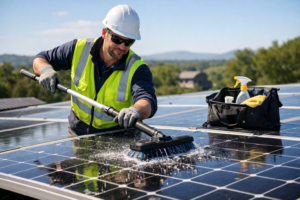
Neglecting to check for shading from nearby trees or structures can reduce efficiency. Trim overhanging branches and ensure the installation site is unobstructed. Following these steps enhances the longevity and performance of your solar panels, supporting both your energy needs and the environmental impact of renewable energy.
Understanding the Solar Payment Term can provide insights into the long-term benefits of maintaining your solar investment.
Professional Inspections and Repairs
Professional inspections and repairs are crucial for maintaining solar panel efficiency. When performed regularly, these inspections can identify potential issues before they escalate, ensuring the system operates at peak performance. Technicians examine the panels for physical damage, electrical issues, and functionality, which can significantly impact energy production.
During an inspection, technicians assess the wiring, connectors, and inverter to ensure they are functioning correctly. They also check for signs of wear or damage that could hinder performance. By addressing these issues promptly, homeowners can avoid costly repairs and maintain optimal energy output.
Incorporating professional inspections into your maintenance routine not only enhances efficiency but also extends the lifespan of your solar panels. Many manufacturers recommend annual inspections as part of warranty compliance. This proactive approach safeguards your investment and maximises energy yields over time. For additional support, consider options like Solar Panel Canopies, which can protect your panels from environmental factors that may cause damage.
Frequently Asked Questions
What are the best practices for cleaning solar panels?
Regularly cleaning solar panels enhances their efficiency. Use a soft brush or sponge with mild soap and water to remove dirt and debris. Avoid abrasive materials that could scratch the surface. Clean during early morning or late afternoon to prevent rapid evaporation of water, ensuring a thorough wash without streaks.
How often should solar panels be inspected for maintenance?
Regular inspections are crucial for optimal solar panel performance. Aim to inspect your solar panels at least twice a year. After severe weather events, a thorough check is advisable to identify any potential damage or debris that may affect efficiency.
What signs indicate that solar panels need repairs?
Regularly inspect your solar panels for any visible damage, such as cracks or chips. Check for decreased energy output, which may indicate underlying issues. If you notice dirt accumulation or shading from nearby objects, these can also hinder performance and may require attention.
Can weather conditions affect the efficiency of solar panels?
Snow accumulation can significantly reduce solar panel efficiency by blocking sunlight. High temperatures may decrease performance, as panels can overheat. Regular maintenance, including cleaning and inspections, helps ensure optimal functioning regardless of weather conditions.
How can I improve the efficiency of my solar panel system?
Regular maintenance can enhance solar panel efficiency by up to 20%. Cleaning panels to remove dirt and debris ensures optimal sunlight absorption. Monitoring system performance and addressing any issues promptly can prevent efficiency losses over time.